
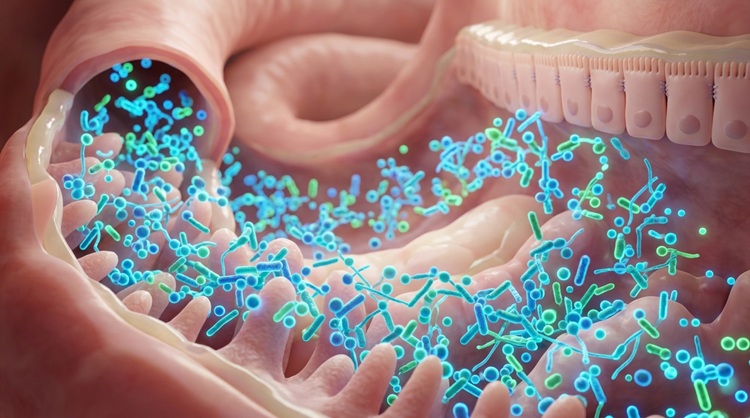

The human digestive system is incredibly complex, serving as far more than just a processor for the food we eat. It acts as a central barometer for our overall health and well-being. When things are functioning smoothly, we rarely give our digestion a second thought. However, when an imbalance, bacteria, or parasite takes root, your gastrointestinal tract will send clear, early warning signs long before more serious medical complications arise.
Recognizing these gut infection symptoms is the first crucial step toward reclaiming your health, preventing chronic system inflammation, and restoring your body’s natural digestive balance.
Recognizing the Signs: Common Symptoms of a Gut Infection
Gut infections can stem from a wide variety of sources, including opportunistic bacteria, microscopic parasites, or viral invaders. Because the root causes vary so drastically, the symptoms can manifest differently from person to person. However, several universal indicators suggest your digestive system is under significant stress and requires targeted attention:
- Persistent Bloating and Gas: While occasional bloating after a heavy or carbonated meal is entirely normal, experiencing chronic bloating is not. Suffering from excessive gas or a constant feeling of uncomfortable fullness after eating even small meals indicates an underlying issue. This often points directly to an infection or a major structural imbalance in your microbial community.
- Abdominal Pain and Cramping: Sharp, dull, or lingering discomfort in the abdominal region is a classic sign of irritation, structural stress, and acute inflammation within the digestive tract. While occasional mild cramps might happen due to temporary dietary shifts, consistent or worsening pain should never be ignored.
- Sudden Changes in Bowel Movements: An infected gut frequently disrupts your natural regularity. This disruption can manifest as acute diarrhea, stubborn constipation, or an unpredictable, alternating pattern of both. Sudden shifts in the frequency, color, or overall consistency of your stool are strong indicators of an underlying gut infection.
- Unexplained Fatigue: Your gut plays an irreplaceable role in daily nutrient absorption. When an active infection compromises digestion, nutrient absorption plummets, rapidly leading to systemic deficiencies and low energy production. If you feel chronically exhausted despite getting adequate sleep, your gut microbiome might be struggling.
- Nausea and Loss of Appetite: A highly stressed digestive tract often triggers ongoing nausea, sudden food aversions, or a total loss of appetite. These clear signs indicate that your gastrointestinal system is actively struggling to process food effectively and needs intervention.
What Causes a Gut Infection?
Understanding how an infection starts is vital for both immediate treatment and future wellness planning. The most frequent triggers include consuming contaminated food or water harboring harmful pathogens like Salmonella or E. coli.
Additionally, an unhealthy diet high in processed sugars or a recent course of broad-spectrum antibiotics can heavily disrupt and destroy your beneficial microbes. This structural imbalance leaves your system highly vulnerable to opportunistic pathogens, viruses like norovirus, or stubborn parasites such as Giardia.
The Path to Healing: How to Treat a Gut Infection
Treating a gut infection effectively requires moving past basic over-the-counter symptom management and directly addressing the root cause. A functional, highly targeted strategy yields the most sustainable, long-term results.
1. Advanced Diagnostics
You cannot successfully treat what you haven’t accurately identified. While standard medical stool tests offer basic overviews, utilizing an advanced gi-map test at home provides a comprehensive look at your entire microbiome ecosystem. By leveraging cutting-edge DNA technology, this high-resolution screening detects the specific parasites, fungi, H. pylori, and viral pathogens causing your distress. The ultimate convenience of a gi-map test at home allows you to securely collect a sample in complete privacy and receive a detailed, data-driven roadmap of your unique microbial ecosystem.
2. Targeted Interventions
Once your lab results reveal the specific pathogen or microbial imbalance, you can work closely with a practitioner to craft a highly tailored treatment plan. This strategy may include targeted antimicrobials, specific herbal protocols, and temporary elimination diets designed to immediately soothe inflamed mucosal linings.
3. Rebuilding the Microbiome
True healing doesn’t stop when the active infection is gone. You must actively rebuild and restore your gut flora balance using high-quality, strain-specific probiotics, prebiotics, and dense functional foods to ensure long-term biological resilience against future infections.
Your gut health dictates your overall vitality, immune strength, and mental clarity. By recognizing symptoms early and leveraging advanced functional tools like a gi-map test at home, you can take complete control of your health journey, eliminate medical guesswork, and restore your digestive system to peak performance.
