
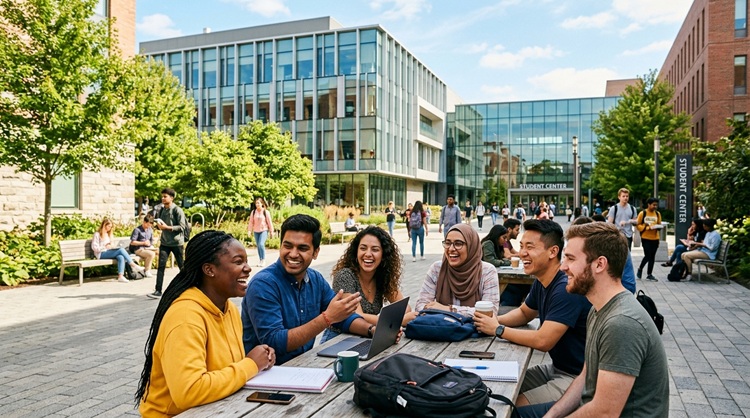

Studying abroad is an exciting opportunity to gain a quality education, experience a new culture, and expand your personal and professional horizons. However, applying to an international institution requires careful planning and informed decision-making. Understanding the application process, financial commitments, and legal requirements beforehand can help you avoid unnecessary setbacks and prepare for a rewarding academic journey.
Choose the Right Country and Institution
Selecting where to study is one of the most important decisions you’ll make. While rankings and reputation often influence choices, they should not be the only factors. Consider your academic goals, career aspirations, lifestyle preferences, and budget when evaluating different destinations.
Research the education system in each country and compare available programs. Some institutions focus heavily on research, while others emphasize practical learning or industry partnerships. Review course structures, graduation requirements, internship opportunities, and available student support services before making your decision.
Location also plays a significant role in your overall experience. Think about climate, transportation, housing availability, healthcare access, language, cultural environment, and safety. Choosing a place that aligns with your needs can contribute greatly to your academic success and overall well-being.
Understand Admission Requirements
Every institution has its own application criteria. Some programs may require entrance examinations, portfolios, interviews, or previous work experience in addition to academic records.
Prepare important documents early, including:
- Academic transcripts
- Graduation certificates
- Personal statement
- Letters of recommendation
- Resume or curriculum vitae
- Passport
- Language proficiency documentation if required
Creating a checklist helps ensure you meet application deadlines and avoid missing essential paperwork.
Plan Your Budget Carefully
One of the biggest challenges for international students is managing finances. Tuition represents only one portion of the total cost. Living expenses, transportation, accommodation, books, health insurance, visa fees, and personal expenses should all be included in your financial planning.
Estimate your annual expenses based on the city where you’ll be living rather than relying solely on national averages. Costs can vary significantly between urban and rural areas.
Build an emergency fund to cover unexpected expenses during your studies. Currency fluctuations, medical needs, or travel emergencies can impact your budget, making financial preparation especially important.
Explore Scholarships and Financial Aid
Many educational institutions, nonprofit organizations, and government programs offer scholarships for international students.
Begin researching scholarship opportunities well before application deadlines. Some awards are based on academic achievement, while others recognize leadership, community involvement, financial need, or specific fields of study.
Carefully review eligibility requirements and prepare application materials early to improve your chances of receiving financial assistance.
Prepare for Student Visa Requirements
Obtaining a student visa is often one of the most important steps in the study abroad process. Visa regulations vary by country and may require financial documentation, proof of admission, medical examinations, background checks, or interviews.
Read official immigration guidelines carefully and begin preparing your documents as soon as you receive your admission offer. Missing paperwork or incomplete applications can delay approval and affect your planned start date.
If your situation involves complex immigration concerns or long-term educational plans, consulting an immigration lawyer in Utah may help clarify documentation requirements and legal processes before submitting your application. Receiving qualified legal guidance can reduce errors and improve your understanding of immigration procedures.
Organize Important Documents
Create both printed and digital copies of essential documents, including:
- Passport
- Student visa
- Admission letter
- Financial statements
- Medical records
- Health insurance information
- Emergency contacts
- Accommodation confirmations
Keeping these documents organized makes travel and enrollment significantly easier.
Prepare for Academic and Cultural Adjustment
Studying in another country involves adapting to a different educational environment as well as a new culture. Teaching styles, classroom expectations, grading systems, and communication methods may differ from what you’re accustomed to.
Developing strong time management and independent study skills before departure can help ease your transition. Many international institutions expect students to take greater responsibility for research, assignments, and classroom participation.
Cultural adjustment is equally important. Learning about local customs, traditions, etiquette, and social expectations can help you integrate more comfortably into your new community. Respect for cultural differences encourages positive interactions and enriches your overall experience.
Improve Your Language Skills
Even if your courses are taught in a familiar language, strengthening your communication skills before departure is beneficial.
Practice reading, writing, listening, and speaking regularly. Becoming comfortable with everyday conversations can make tasks such as shopping, banking, using public transportation, and seeking assistance much less stressful after arrival.
Learning basic phrases in the local language also demonstrates respect for your host community and helps build stronger connections with residents.
Plan for Life Beyond the Classroom
Your academic experience is only one aspect of studying abroad. Preparing for daily life will help you settle in more quickly and enjoy a smoother transition.
Research housing options carefully before arriving. Compare university residences, private rentals, and shared accommodations based on affordability, location, transportation access, and available amenities. Secure housing as early as possible to reduce last-minute stress.
Become familiar with healthcare services, banking procedures, transportation systems, communication options, and emergency resources in your destination country. Knowing how these essential services operate can save time and prevent confusion during your first weeks abroad.
Build a Personal Support Network
Moving to another country often means leaving behind family, friends, and familiar routines. Building new relationships can help reduce homesickness and improve your overall well-being.
Participate in orientation programs, student organizations, volunteer opportunities, academic clubs, and community events. These activities provide valuable opportunities to meet people who share your interests while expanding your personal and professional network.
Maintaining regular communication with loved ones back home also helps create a healthy balance between adapting to your new environment and staying connected to your support system.
Conclusion
Studying abroad offers valuable opportunities for academic achievement, personal growth, and cultural discovery, but success begins long before you arrive on campus. Careful planning, financial preparation, organized documentation, and realistic expectations can make the application process far less overwhelming. By taking the time to prepare thoroughly, you’ll be well-positioned to embrace your international education with confidence and make the most of every opportunity ahead.
