
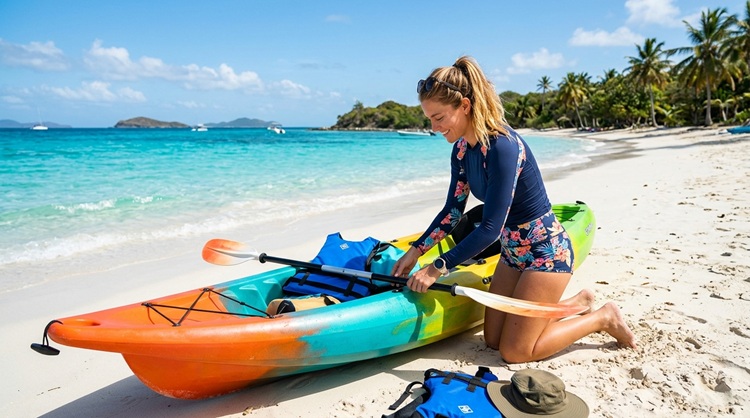

Imagine pulling your paddleboard out onto a crystal-clear lake. The sun is warm, the water is perfect, and you are ready for a great day outdoors. But twenty minutes into your paddle, your swim trunks are rubbing raw against your skin, your top keeps sliding down with every stroke, and your heavy cotton shirt is soaked through, weighing you down.
When you spend a day on the water, your outfit choices can make or break your experience. The right clothing allows you to move freely, protects your skin from the sun, and keeps you warm when temperatures dip. The wrong clothing leads to sunburns, heavy fabric dragging you down, and painful rashes.
Dressing comfortably for water sports is all about choosing the right fabrics, prioritizing secure fits, and layering smartly for the environment. Here is exactly how to build the perfect water-ready wardrobe.
The Golden Rule of Water Gear: Say No to Cotton
To dress comfortably for water activities, always choose lightweight synthetic fabrics like nylon, polyester, and spandex while completely avoiding cotton. Synthetics wick moisture away and dry quickly, whereas cotton absorbs water like a sponge, stays heavy, and causes painful skin chafing.
When cotton gets wet, it loses its shape and clings to your body. This traps moisture directly against your skin, which quickly leads to irritation if you are rowing, paddling, or walking. Synthetic blends are specifically engineered to let water pass through the fibers and evaporate rapidly. Investing in high-quality quick-dry apparel options ensures you can transition smoothly from a kayak seat to a beachside lunch without needing a complete change of clothes.
Prioritizing Support and Security in Swimwear
Active water activities require swimwear that offers excellent structural support and stays firmly in place during heavy movement.
If you are jet skiing, wakeboarding, or navigating a water park, standard fashion swimwear will rarely hold up. A sudden wave or a fall off a tube can easily cause an embarrassing wardrobe malfunction. Look for swimwear with wide straps, secure bands, and athletic cuts that mimic sports bras.
You do not have to sacrifice personal style to stay secure. If you enjoy high-energy sports but want classic beach aesthetics, opting for a supportive full-coverage bikini top paired with active swim shorts provides the perfect balance of flexibility, modesty, and security. Mixing and matching athletic swim tops with high-waisted bottoms gives you the freedom to move without constantly pulling at your clothes.
Layering for the Elements: Rash Guards and Boardshorts
For activities like snorkeling, surfing, or river rafting, layering a rash guard over your swimsuit provides vital skin protection against both the hot sun and physical abrasions.
Rash guards are snug-fitting, lightweight shirts made from nylon and spandex. They are designed to prevent your skin from rubbing against a surfboard, life jacket, or kayak seat. Furthermore, most premium rash guards carry a UPF (Ultraviolet Protection Factor) rating of 50+, which blocks 98% of the sun’s harmful rays.
Pairing your top with a sturdy set of polyester boardshorts protects your thighs from friction against wet plastic or vinyl seats. Unlike standard shorts, boardshorts feature flat, drawstring closures rather than bulky buttons and zippers, ensuring maximum comfort when you are sitting down for long periods.
Protecting Your Feet: Choosing the Right Water Shoes
The ideal water shoe features a thick rubber sole with high-traction treading and a secure ankle strap to protect your feet from sharp rocks, hot sand, and slippery surfaces.
Flip-flops are arguably the worst choice for any active water environment. They easily float away in a river current, offer zero traction on wet docks, and slide right off your feet when wet.
Instead, opt for high-quality protective water footwear. If you are hiking through riverbeds or navigating rocky shorelines, choose a closed-toe water shoe that keeps out gravel and sand. For casual paddleboarding or boating, a secure, strapped sports sandal with a textured footbed will keep you stable without absorbing water.
Common Water Wardrobe Mistakes to Avoid
Even seasoned outdoor enthusiasts can make simple clothing errors that compromise comfort. Keep these common pitfalls in mind:
- The “Ballooning” Effect: Wearing loose, oversized t-shirts or baggy gym shorts into the water. The excess fabric fills with water, creating drag that makes swimming significantly more difficult and tiring.
- Ignoring the Seams: Buying cheap swimwear with thick, rough internal seams. Continuous friction against wet skin creates severe rashes. Look for flatlock stitching, which lies flat against your body.
- Forgetting to Apply Anti-Chafing Products: Even with synthetic fabrics, repetitive motions like paddling can cause friction. Applying specialized balms before you head out is one of the most effective anti-chafing skincare tips for long days on the water.
The Ultimate Water Activity Clothing Checklist
Before you head out to the lake, river, or ocean, use this quick checklist to ensure your outfit is fully optimized for comfort and safety:
[ ] Base Layer: Athletic, secure swimsuit that doesn’t slip when you jump or dive.
[ ] Sun Protection: A UPF 50+ rash guard or sun hoodie.
[ ] Lower Body: Quick-drying boardshorts or athletic swim leggings.
[ ] Footwear: Secure, strapped water shoes or sports sandals with rubber soles.
[ ] Safety Gear: A properly fitted personal flotation device (PFD) that doesn’t pinch or rub against your neck.
[ ] Accessories: A floating strap for your sunglasses and a wide-brimmed sun hat with a chin cord.
Frequently Asked Questions
Can I wear regular athletic workout clothes in the water? Yes, high-quality workout clothes made from polyester and spandex blends can work well for surface water activities like kayaking or paddleboarding. However, avoid wearing them for prolonged swimming, as they are not treated for chlorine or saltwater exposure and may break down faster than dedicated swimwear.
How do I prevent my water shoes from smelling bad after use? Water shoes trap moisture and bacteria easily. To prevent odors, rinse them thoroughly with fresh water immediately after use, loosen the straps, and let them air dry completely in a well-ventilated, shaded area. Avoid leaving them wet inside a dark gym bag or car trunk.
Conclusion
Dressing for water activities requires shifting your mindset from how you look on a towel to how your clothes perform in motion. By eliminating heavy cottons, investing in secure, supportive swimwear, utilizing protective layers like rash guards, and guarding your feet with proper shoes, you eliminate the physical distractions that steal the joy from your outdoor adventures. When your clothes fit perfectly and dry rapidly, you can focus entirely on the water ahead.
