

In the highly competitive world of short-term vacation rentals, first impressions dictate your entire booking velocity. When a potential guest scrolls through hundreds of competing listings in your regional market, they make a split-second cognitive decision based almost entirely on your primary listing thumbnail. While hosts routinely invest thousands of dollars into high-end interior textiles, modern kitchen remodels, and professional short-term rental photography, the exterior envelope of the property is frequently treated as an afterthought.
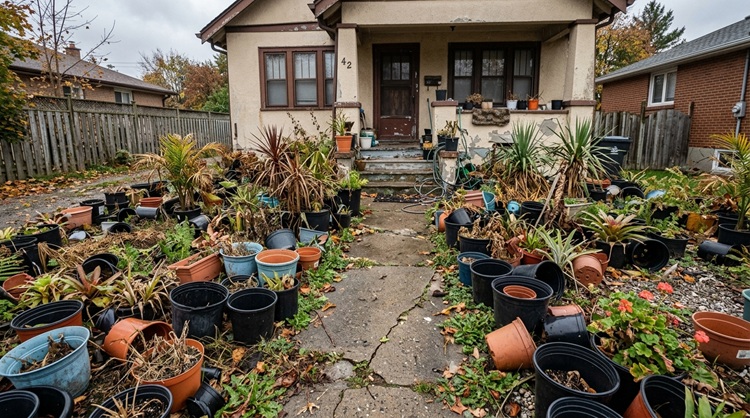
A property’s landscaping is not merely decorative filler; it is the physical framework that establishes your vacation rental curb appeal. Arriving at a property only to be greeted by overgrown weeds cracking through concrete pathways, a patchy, dying lawn, or dark, unlit entry paths instantly triggers guest apprehension. This initial negative impression registers subconsciously, often leading to hyper-critical interior inspections and lower star ratings on checkout.
Maximizing your occupancy rates and securing flawless reviews requires avoiding common, high-maintenance landscape errors. By eliminating fragile botanical elements, managing seasonal erosion, securing clean ground cover layouts, and engineering low-stress pathways, hospitality hosts can build a beautiful, resilient outdoor environment that drives bookings year-round.
1. Choosing High-Maintenance, Delicate Flora Over Native Perennials
The absolute fastest way to destroy your landscaping budget and receive complaints about a messy yard is planting high-maintenance exotic flowers that require precise daily watering, frequent deadheading, and specific chemical fertilizers.
Experienced hosts bypass this vulnerability by shifting completely to native, drought-tolerant perennials that thrive in the local climate. Incorporating robust evergreens like boxwood or laurel creates a lush, permanent green backdrop that requires minimal trimming. Layering these tough frameworks with structural ornamental grasses and self-sustaining native wildflowers creates the illusion of a complex, professional garden without demanding a heavy preventative property maintenance schedule.
2. Using Cheap, High-Decay Organic Mulch in Primary Transit Zones
Many hosts utilize standard wood chip mulch to quickly dress up bare soil beds before a professional photoshoot. While fresh dark mulch looks crisp for the first few weeks, organic wood products decay rapidly, fading into a dull grey hue within months.
More critically, heavy rains cause organic mulch to wash out onto surrounding paved surfaces, staining concrete and creating a messy trail that guests track directly onto your clean interior rugs and hardwood floors.
To permanently stabilize your exterior flower beds and elevate the premium aesthetic of your home, transition from organic wood chips to heavy stone aggregates. If your property is situated in regions characterized by intense high-desert sun or sudden mountain downpours, choosing heavy stone elements ensures your ground cover remains perfectly in place during flash storms.
When upgrading your property’s exterior borders, selecting the right rock size and color profile is essential to complement your home’s architectural palette. Smart hospitality managers invest in durable, washed stone aggregates to permanently frame their walkways and flower beds. Utilizing premium bagged landscape rocks in Taylorsville allows hosts to install clean, uniform stone perimeters like quartz, river stones, or lava rock precisely where they are needed.
These mineral barriers never rot, resist wind displacement, and allow rainwater to drain straight into the water table without creating muddy puddles. By locking in a pristine stone envelope around your outdoor seating zones, you entirely eliminate the annual cost of mulching, protect your interior floors from mud tracking, and give your property a clean, modern aesthetic that looks pristine in every listing photo.
3. Ignoring the Critical Importance of Ingress and Ambience Lighting
A significant percentage of short-term rental guests arrive at their destination after dark, exhausted from long flights or extended road commutes. If your property lacks highly visible, automated outdoor lighting, navigating an unfamiliar driveway and locating a lockbox transforms from a seamless arrival into an intimidating, high-stress ordeal.
Welcoming rentals build a multi-layered illumination perimeter. This moves past a single bright floodlight that washes out the yard and introduces low-voltage solar path lights along every walkway, clear spotlights trained on structural steps, and ambient warm string lights across rear patios. Implementing motion-activated security fixtures near entry doors provides instant spatial clarity exactly when guests need it, ensuring they feel completely safe and relaxed the moment they shift the vehicle into park.
4. Failing to Secure Slip-Resistant, Luggage-Friendly Transit Pathways
A gorgeous, rustic stone pathway composed of irregular, rough-cut flagstones or loose, deep pea gravel might look highly appealing in a Pinterest design board. However, when an actual guest attempts to drag heavy rolling suitcases over uneven, shifting terrain in the dark, these material choices become a massive physical frustration.
Walkways must be engineered for effortless utility. Opt for broad, flat concrete pavers, poured concrete, or tightly locked flagstones that allow wheels to roll smoothly. Keeping pathways wide, level, and entirely clear of low-lying vegetation ensures that guests of all mobility levels can access the home safely, entirely eliminating tripping hazards and potential liability concerns.
5. Over-Landscaping Small Outbuildings and Blocking Primary Sightlines
When hosts possess a sprawling backyard or a scenic mountain view, the temptation is often to fill the open space with complex gazebos, heavy arbors, or sprawling decorative privacy hedges.
While adding amenities like fire pits or outdoor dining sets drives higher booking value, over-packing the yard with tall, dense foliage can accidentally block the primary scenic views that make the location unique. Furthermore, overgrown vegetation can crowd around outdoor features like hot tubs or barbeques, dropping leaves and organic debris directly into the water filters or cooking surfaces. Keep your primary sightlines open, use low-profile ground cover around high-activity amenity zones, and frame views using clean, minimalist horizontal borders rather than tall, chaotic screens.
Conclusion
Optimizing your Airbnb’s landscaping is never an accidental feature of aesthetic garden design; it is a calculated business triumph achieved by embedding low-maintenance principles, durability, and guest safety directly into the property’s exterior. By replacing high-maintenance annuals and messy wood mulch with resilient native perennials, premium bagged landscape rocks, automated path lighting, and wide, luggage-friendly walkways, you successfully insulate your hospitality asset from costly maintenance demands and negative guest reviews. Managing these invisible outdoor variables ensures your short-term rental stops operating like a volatile, high-maintenance chore. Instead, it transforms into an incredibly beautiful, highly resilient sanctuary designed to deliver an unforgettable first impression, pristine listing photography, and maximize your booking profitability for years to come.
